Production of French Bonsai
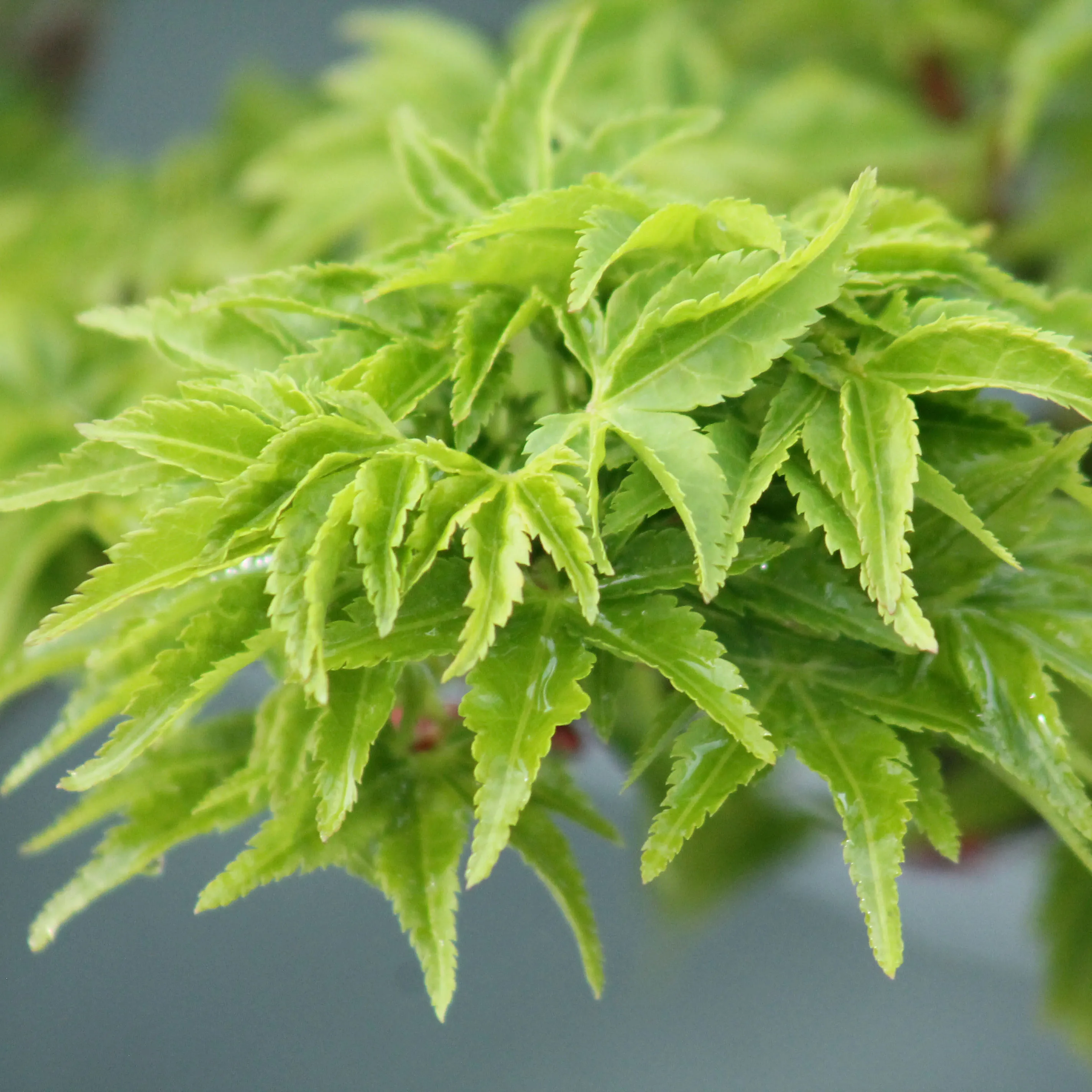
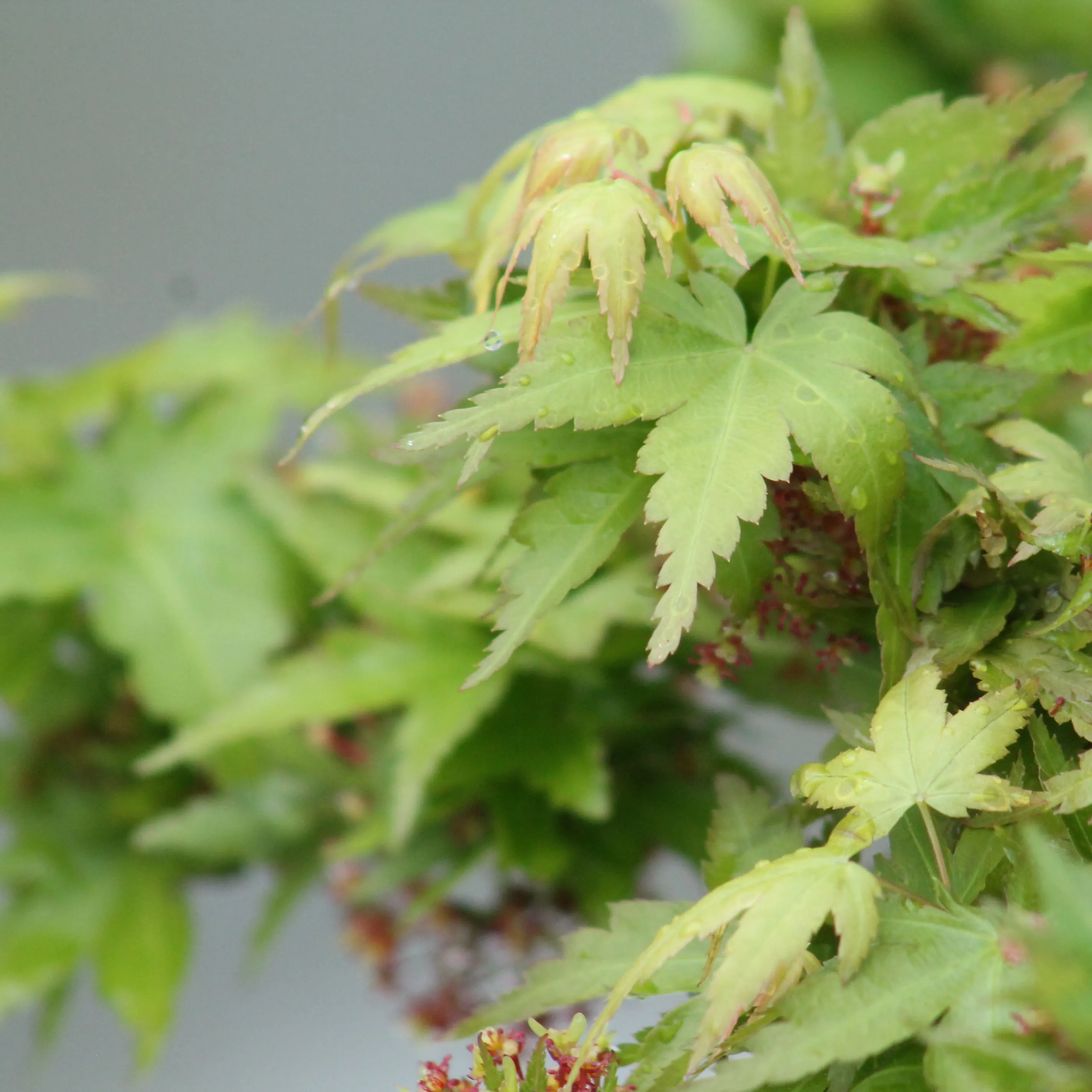
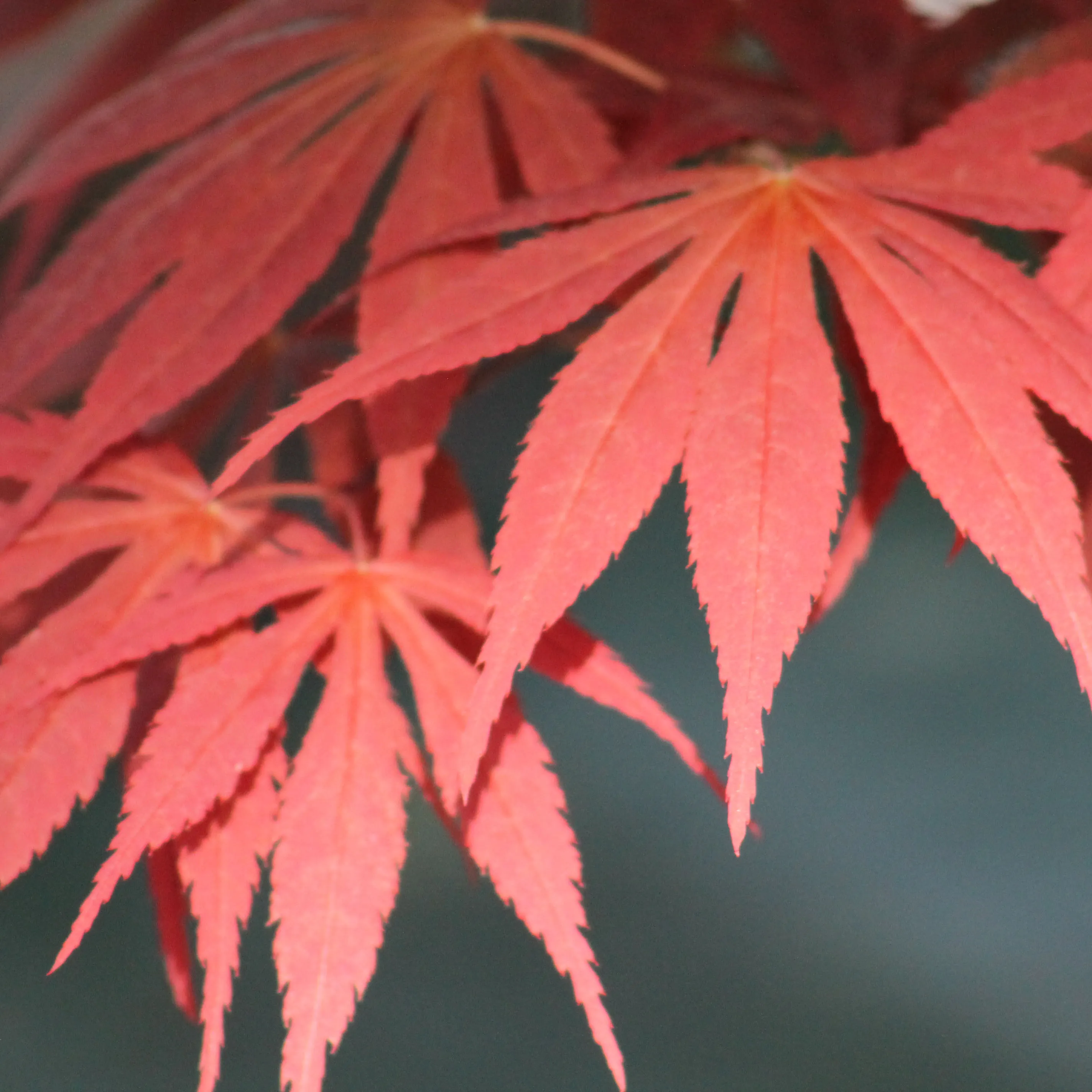
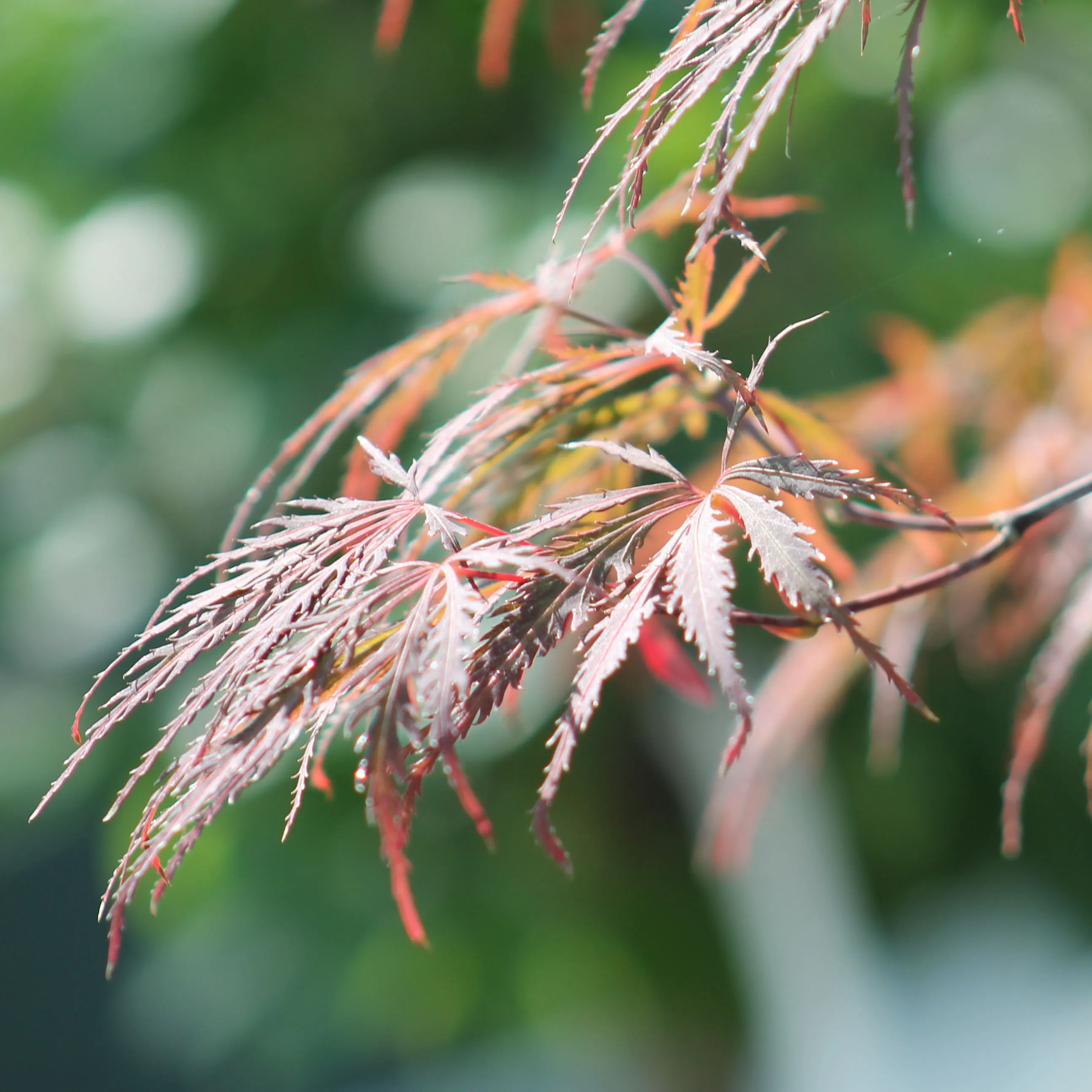
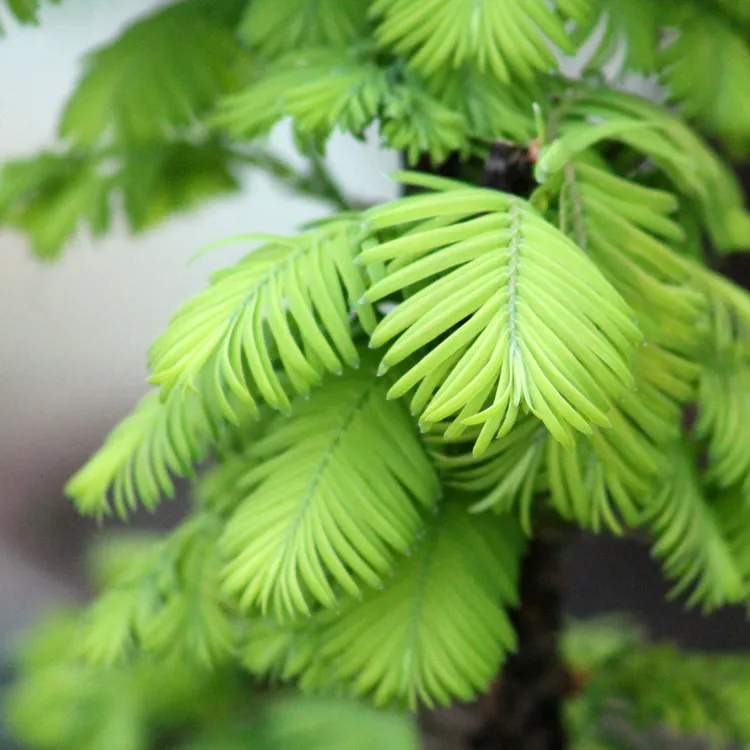
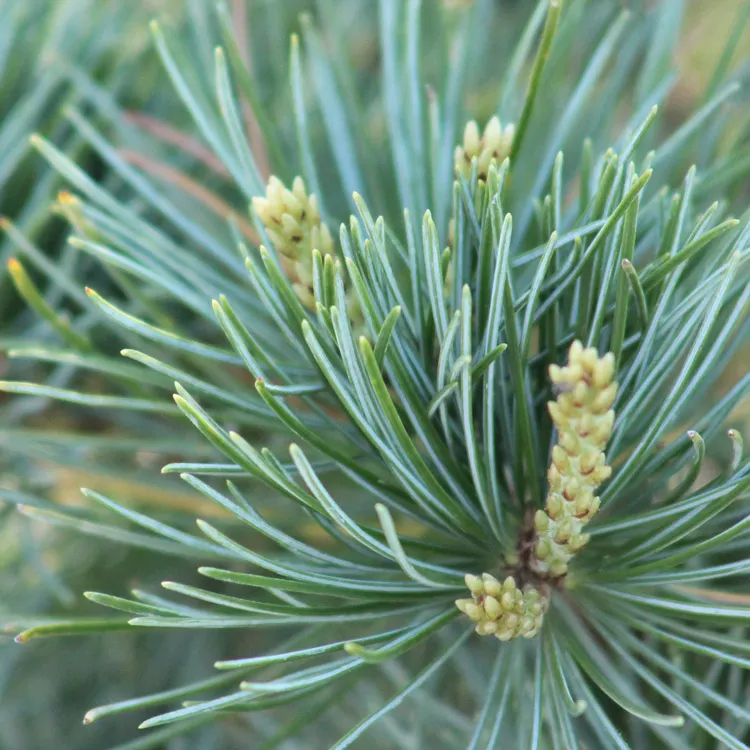
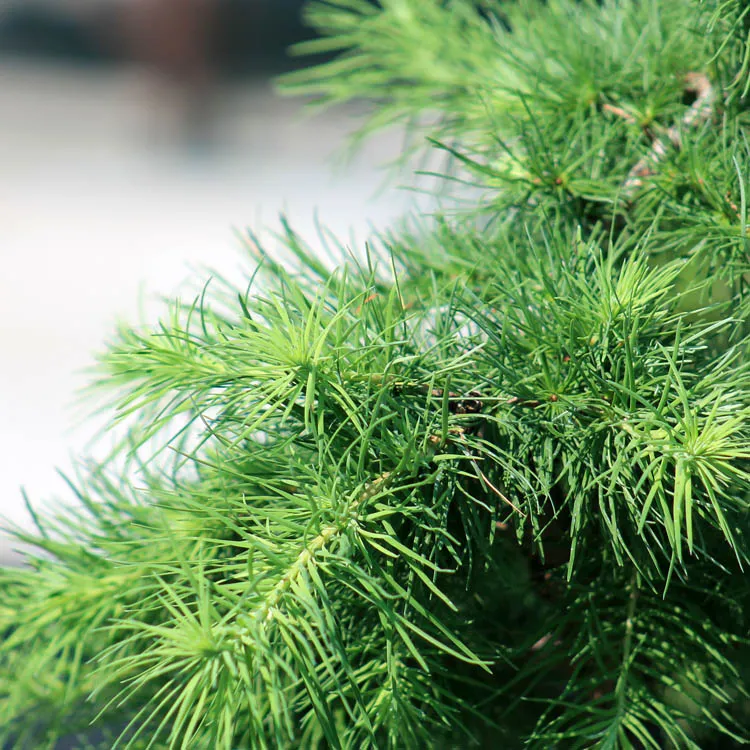
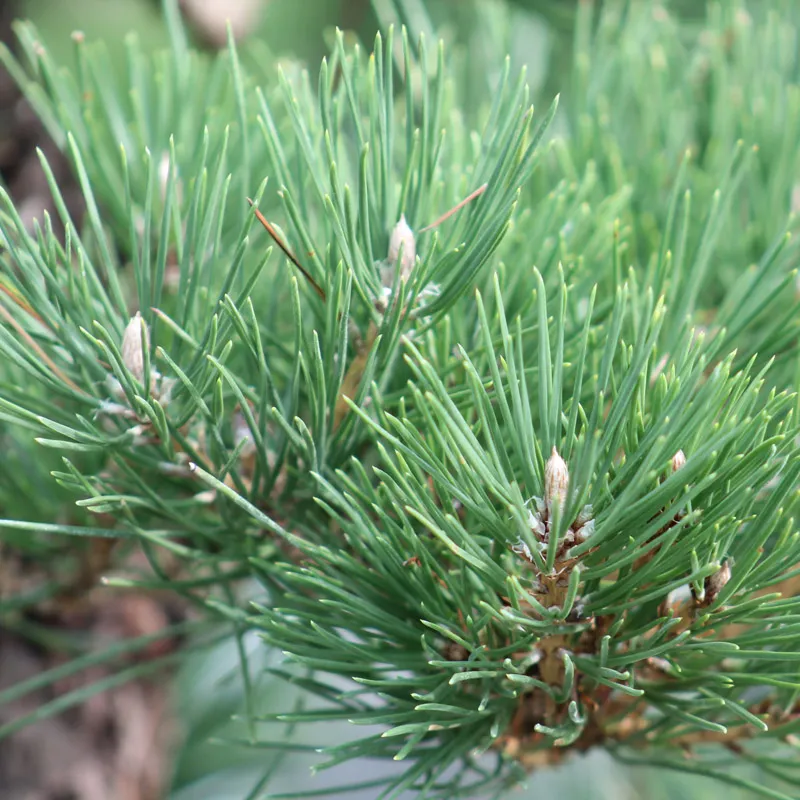
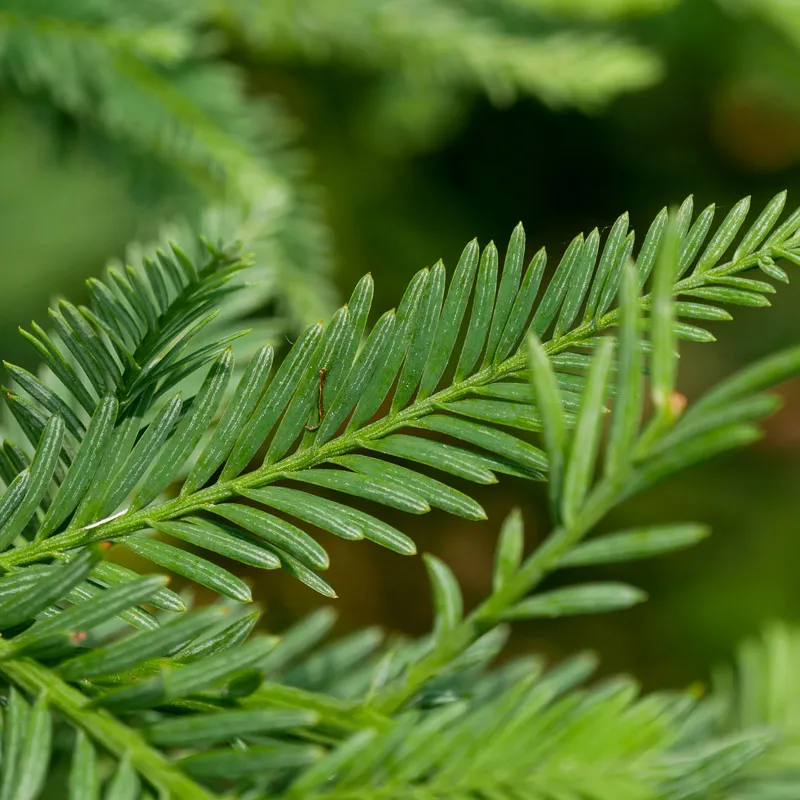
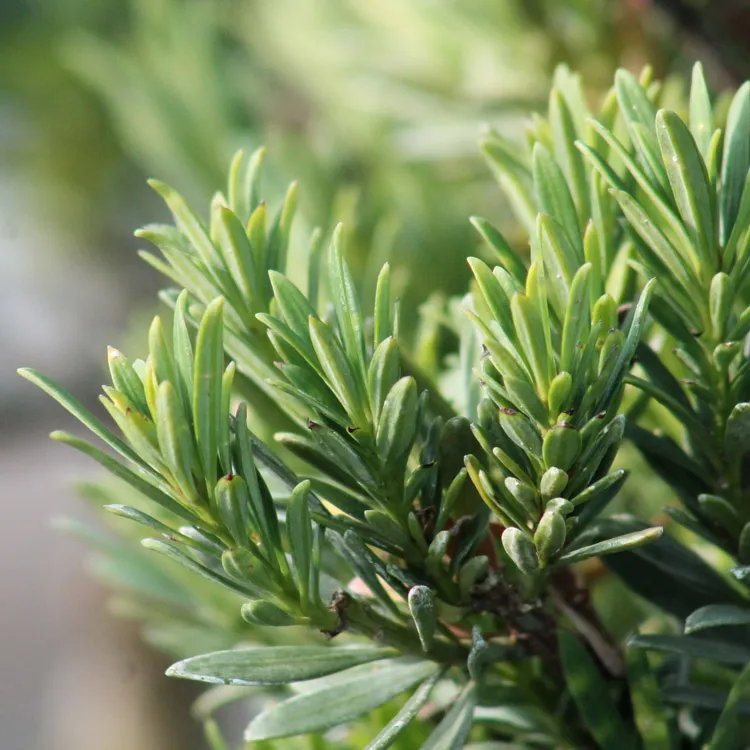
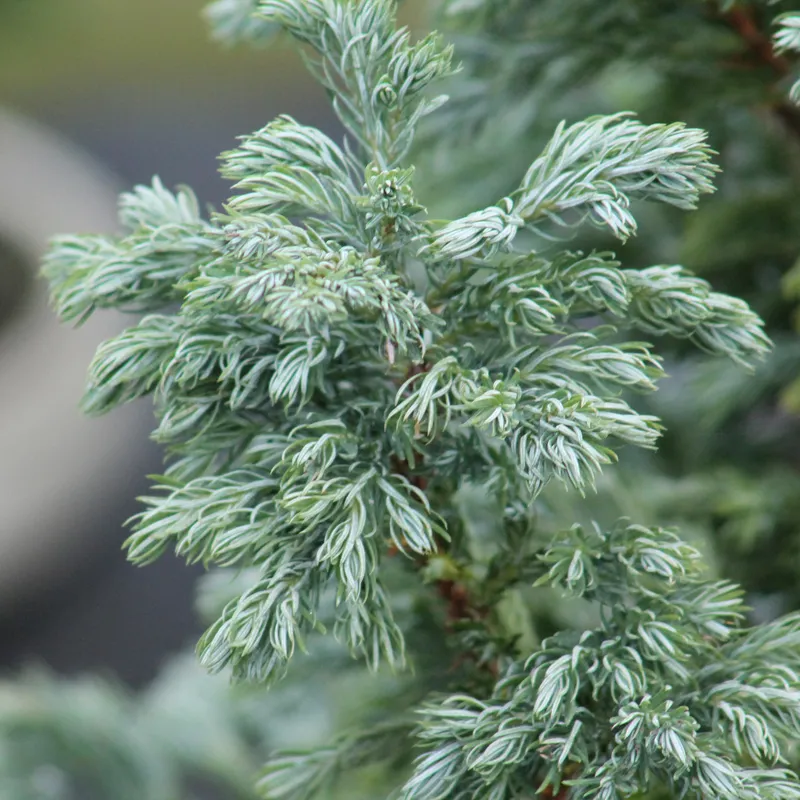
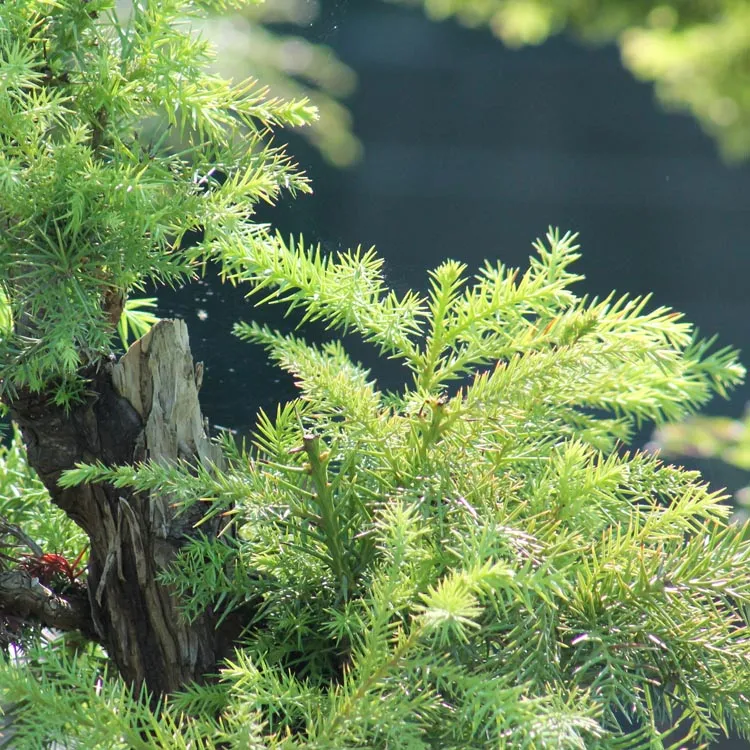
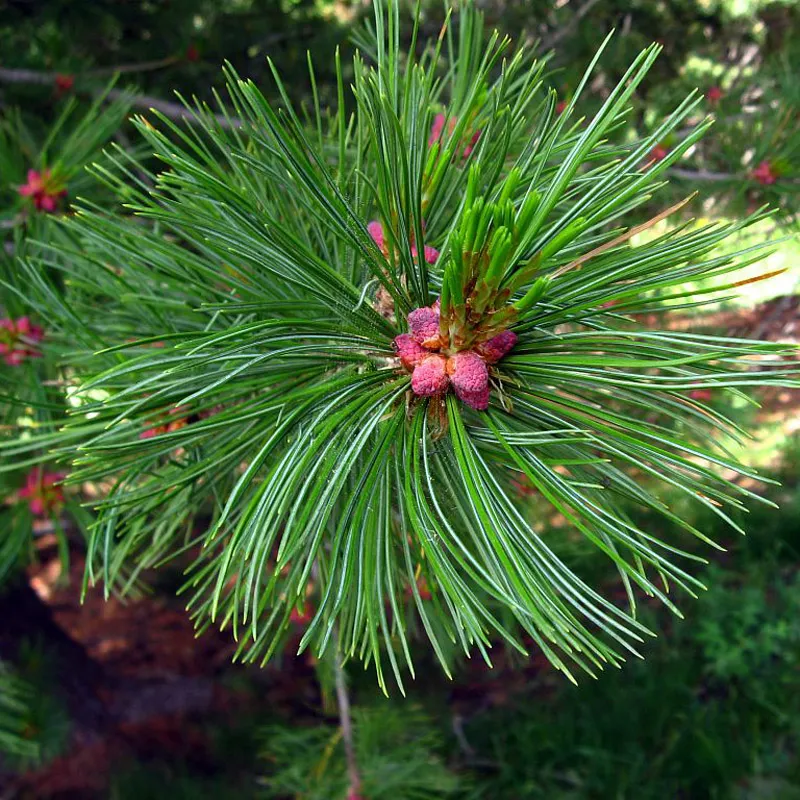
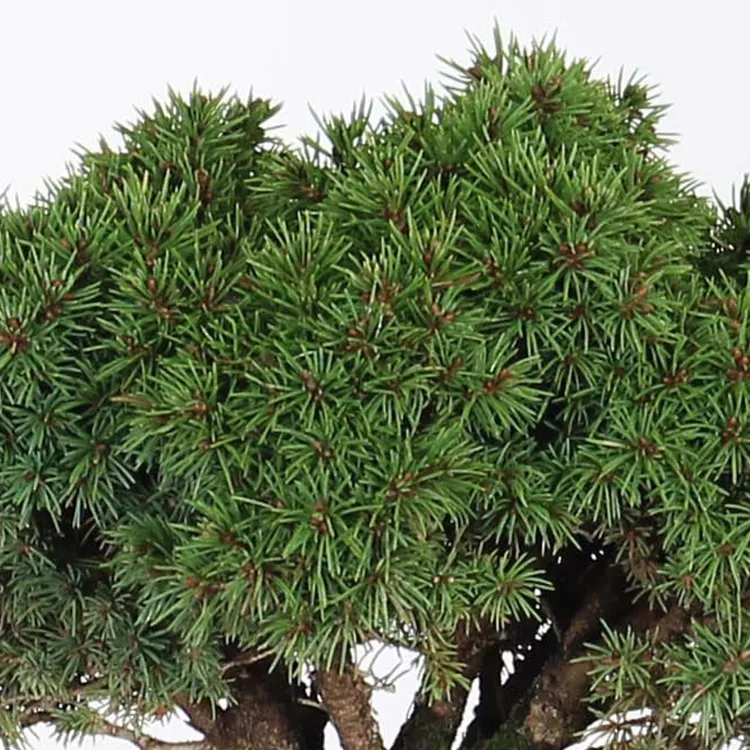
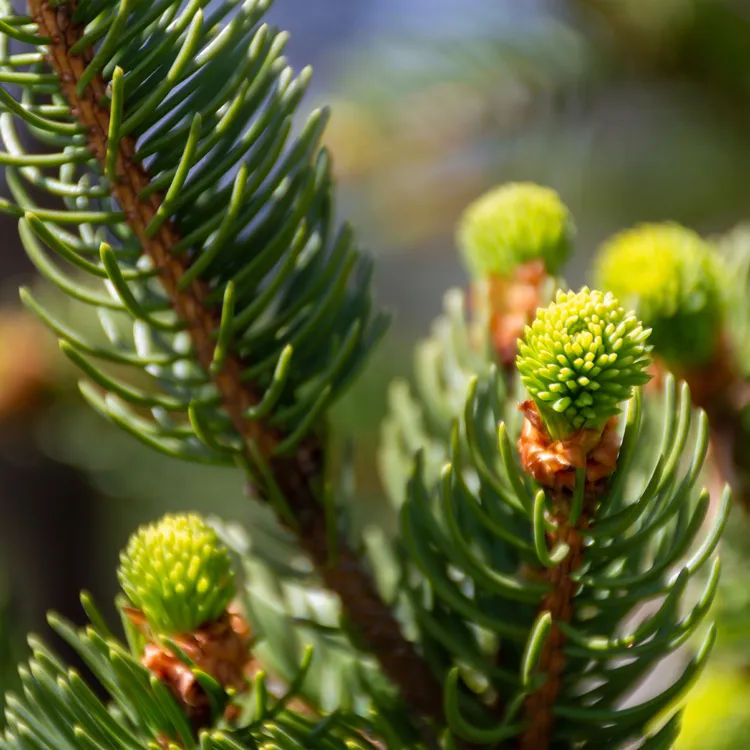
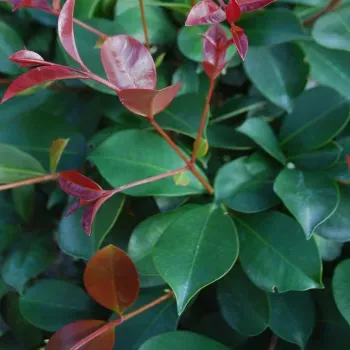
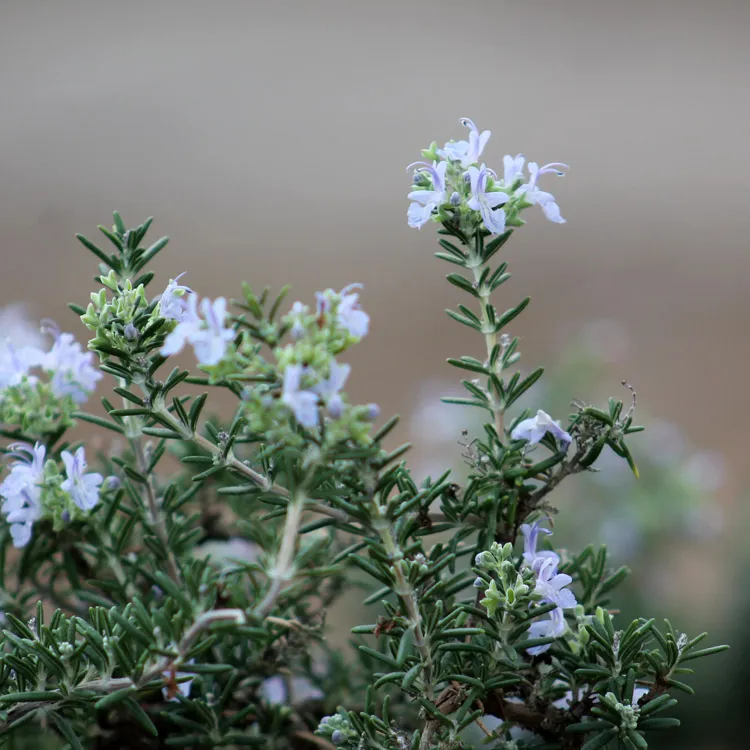
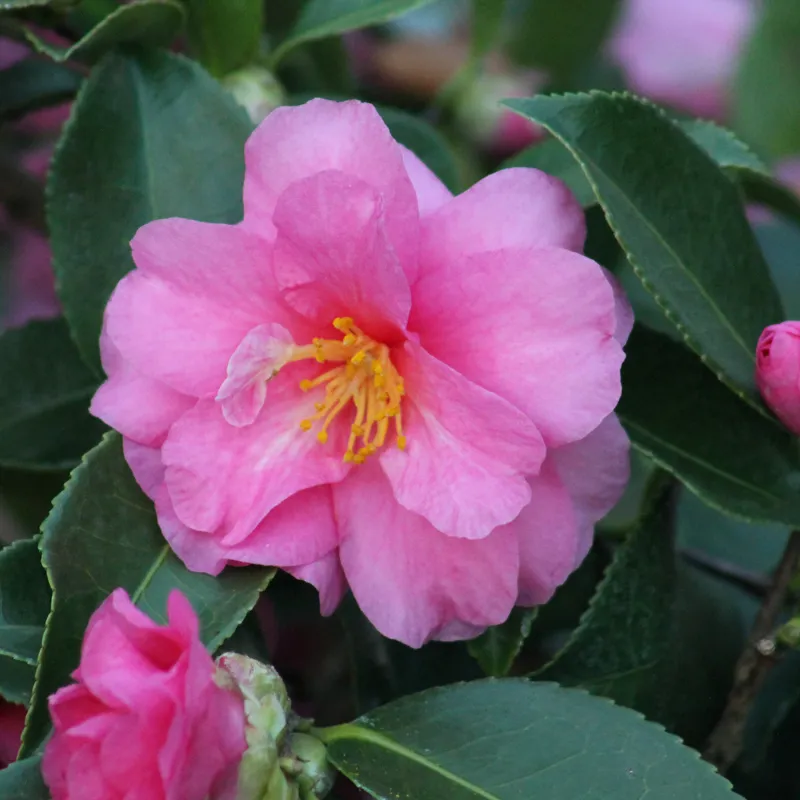
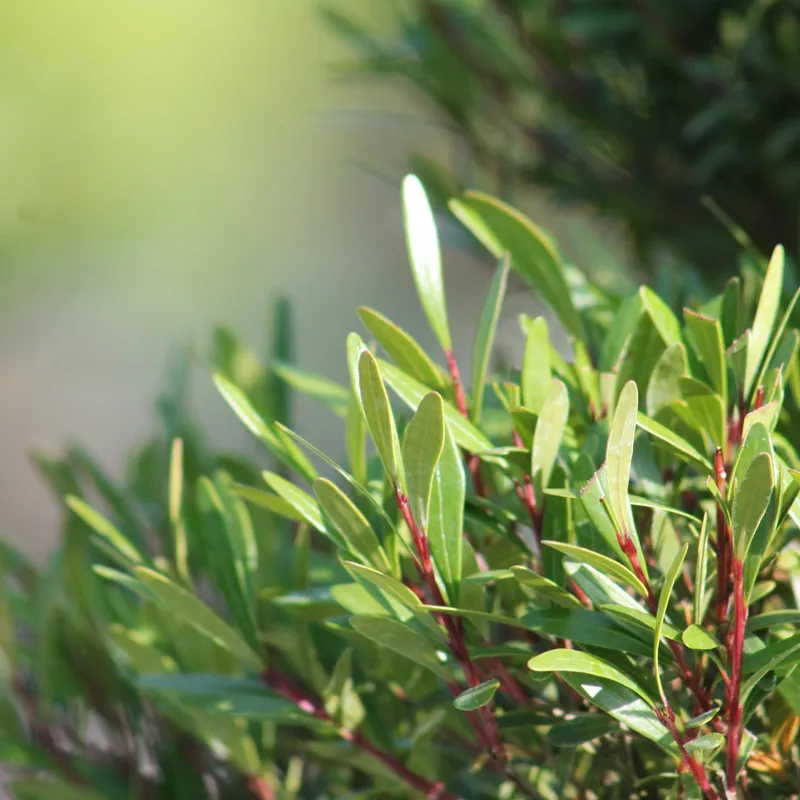
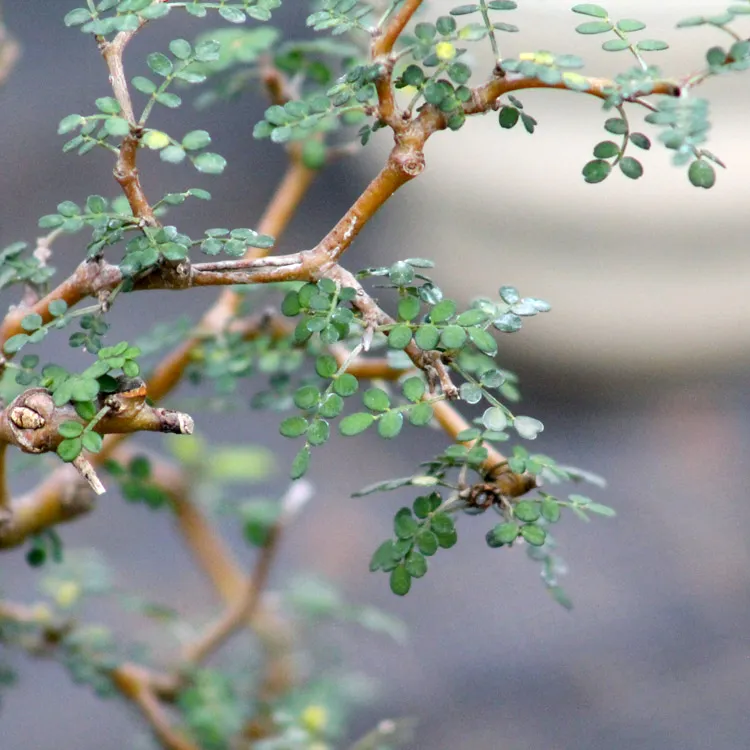
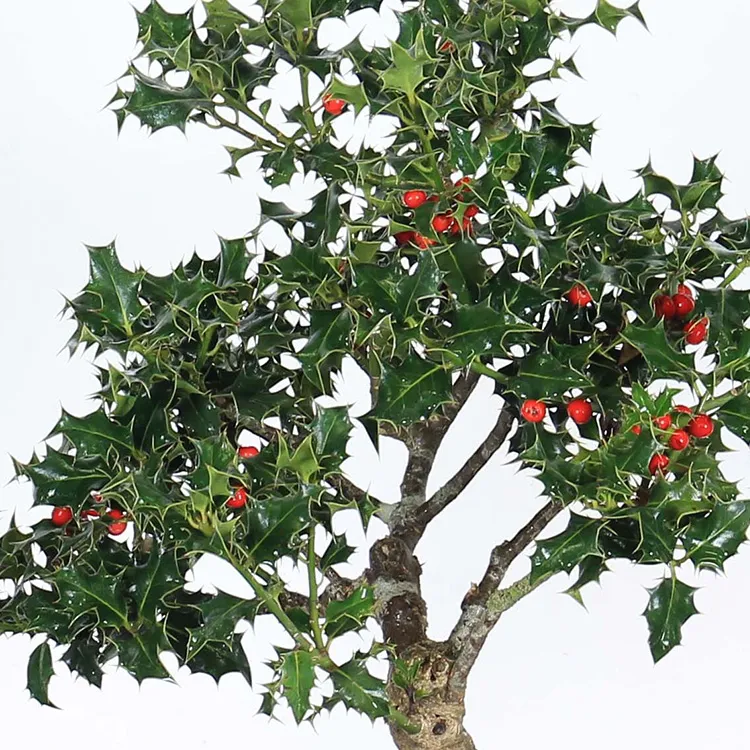

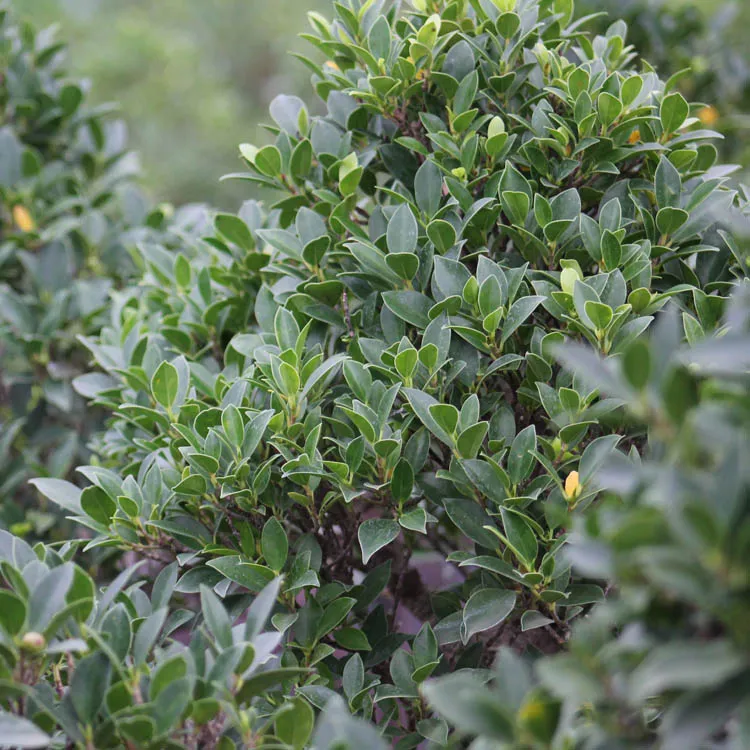
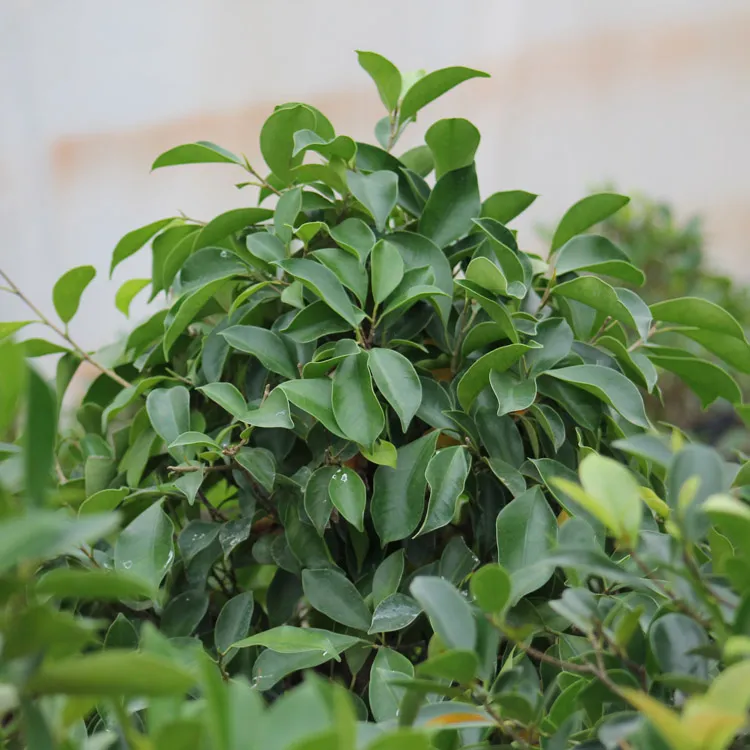
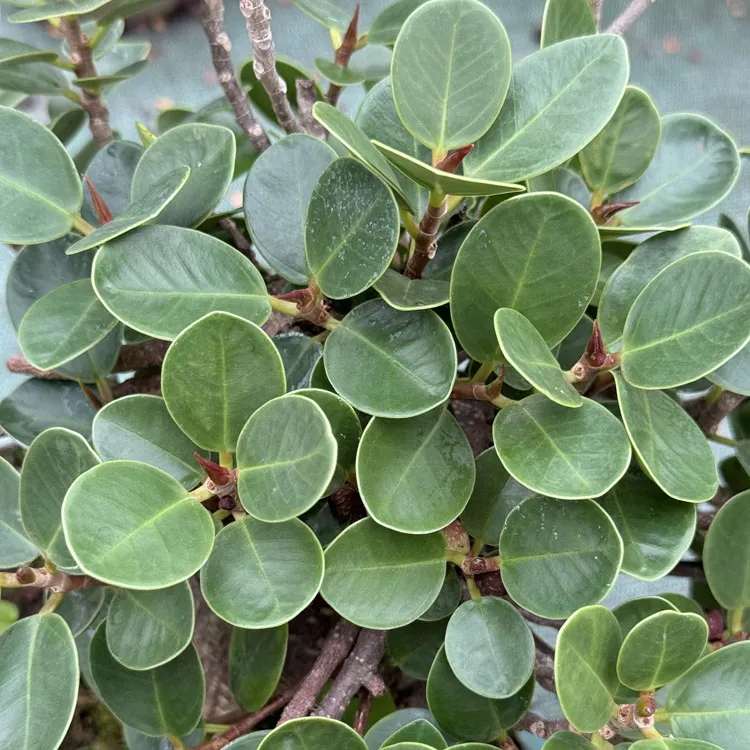
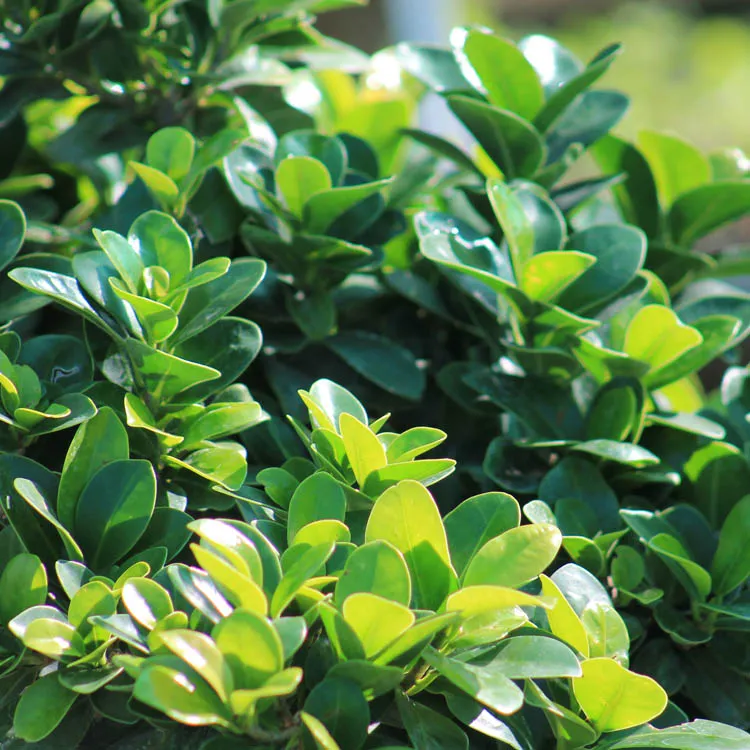
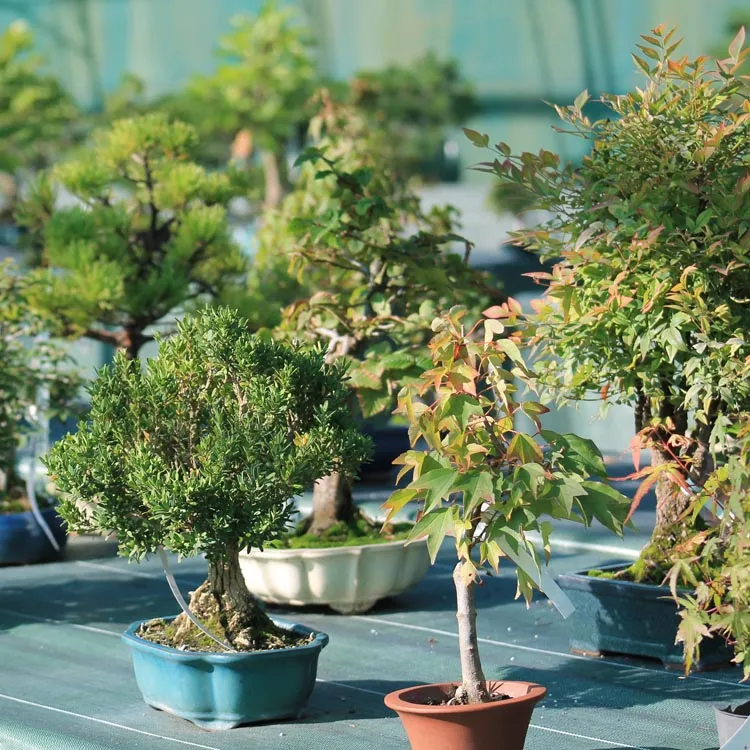
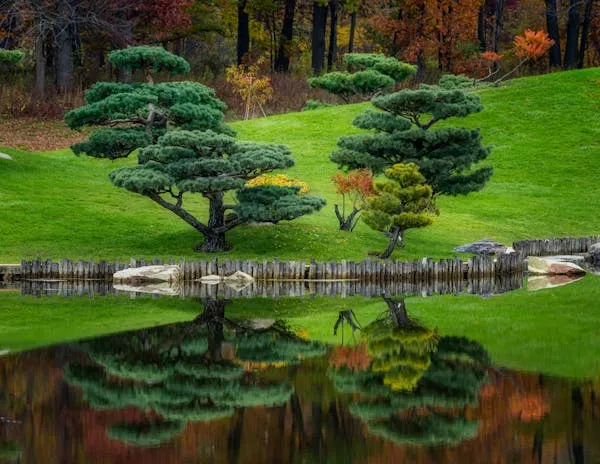

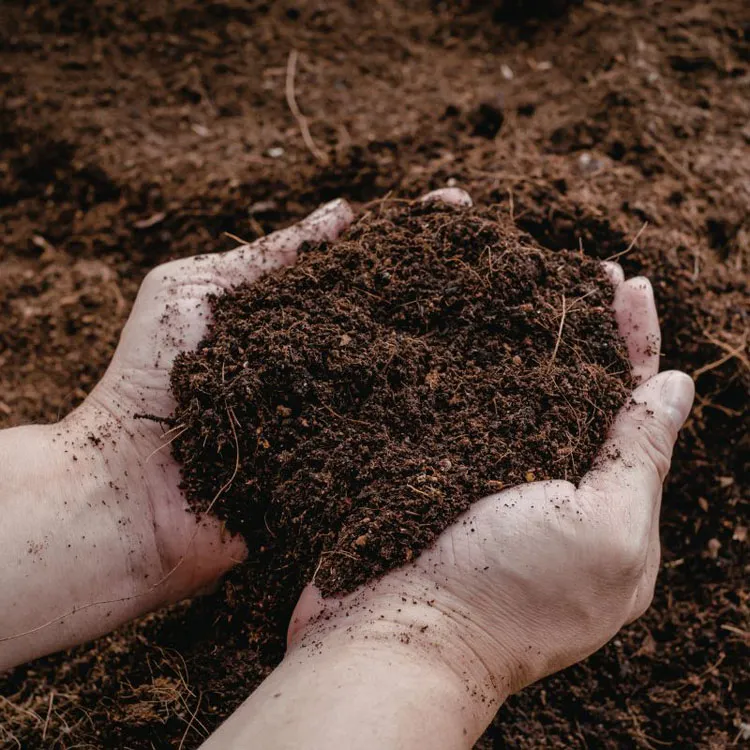
In its natural environment, it is a mountainside tree exposed to cold, wind and sun. So you have to leave it outside all year round and it doesn't require any special protection.
Bloc lien header
 English
en
English
en

Bonsai
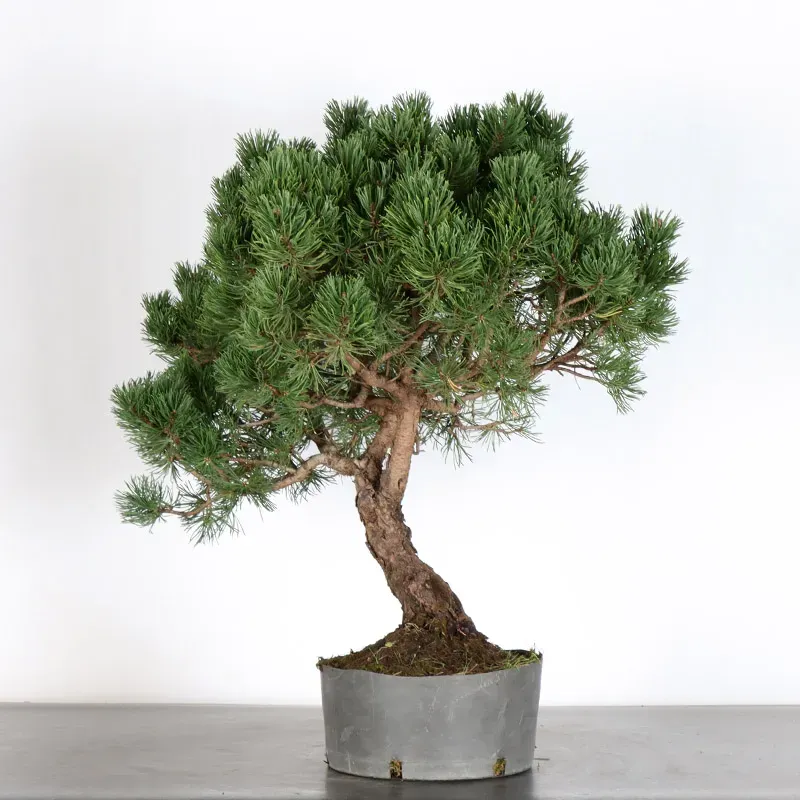
Prebonsai pinus mugo 3-6
- New
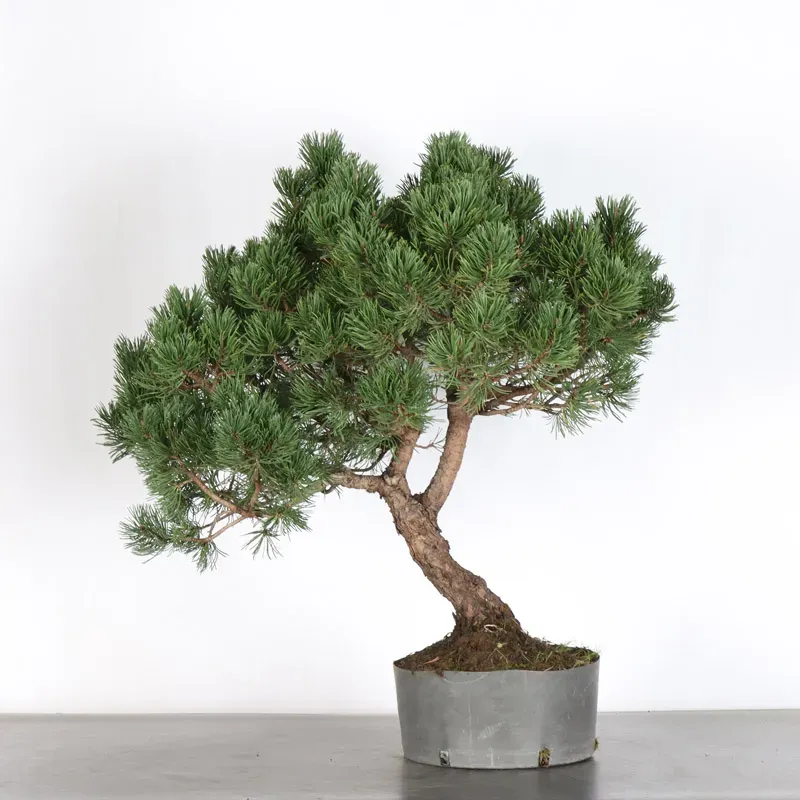
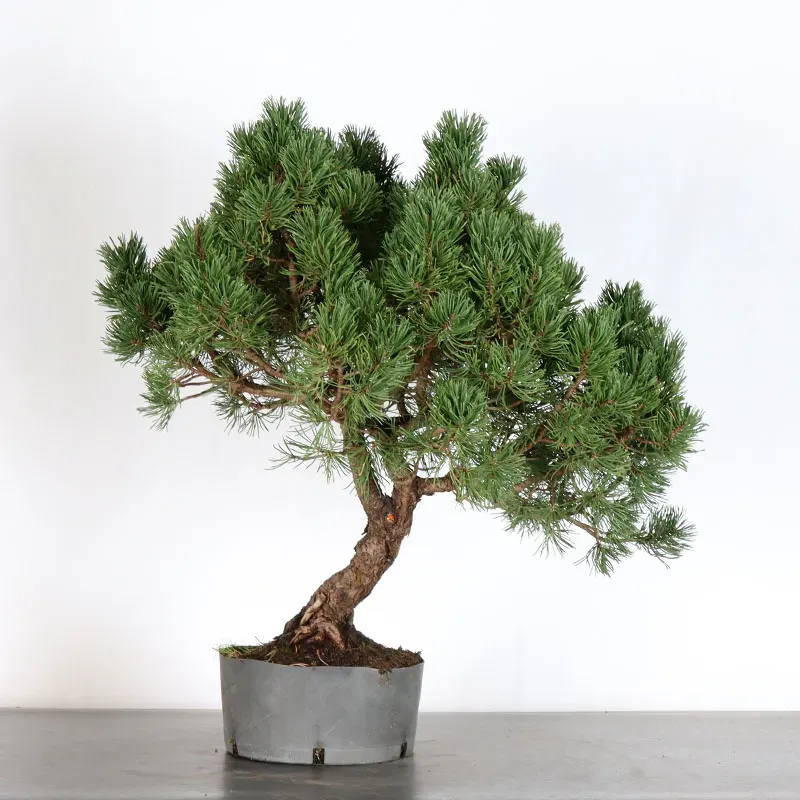
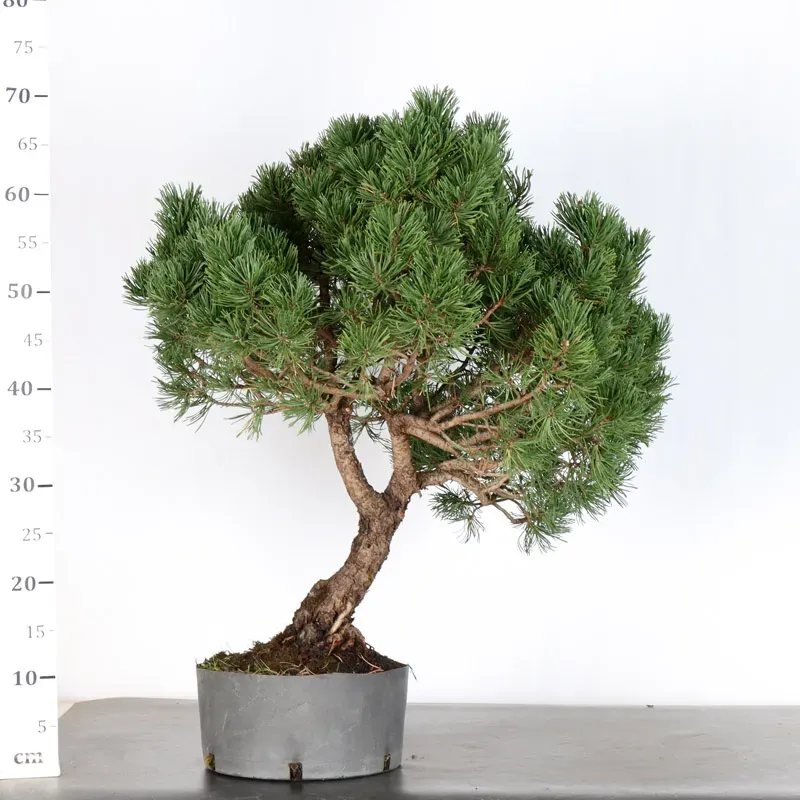
Data sheet
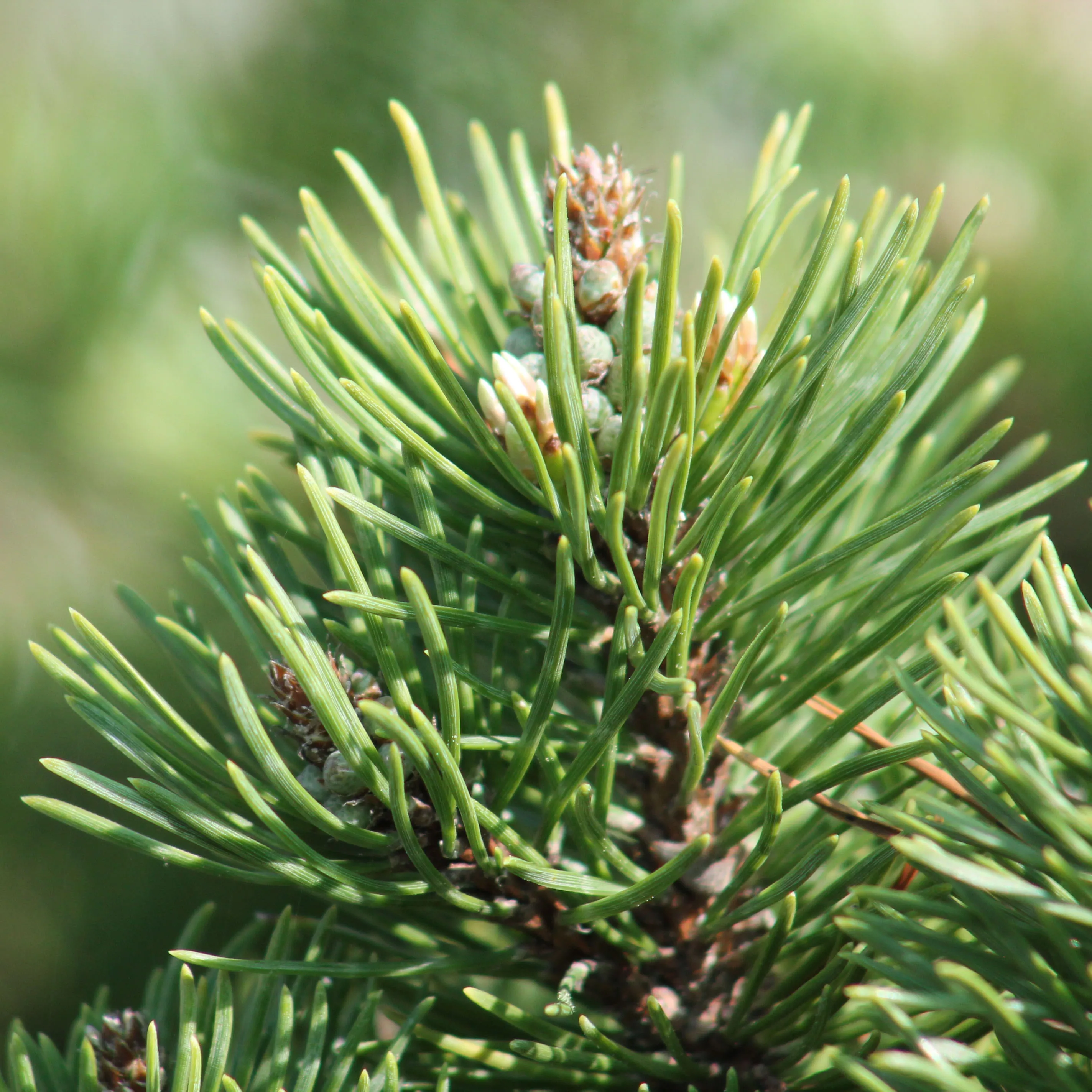
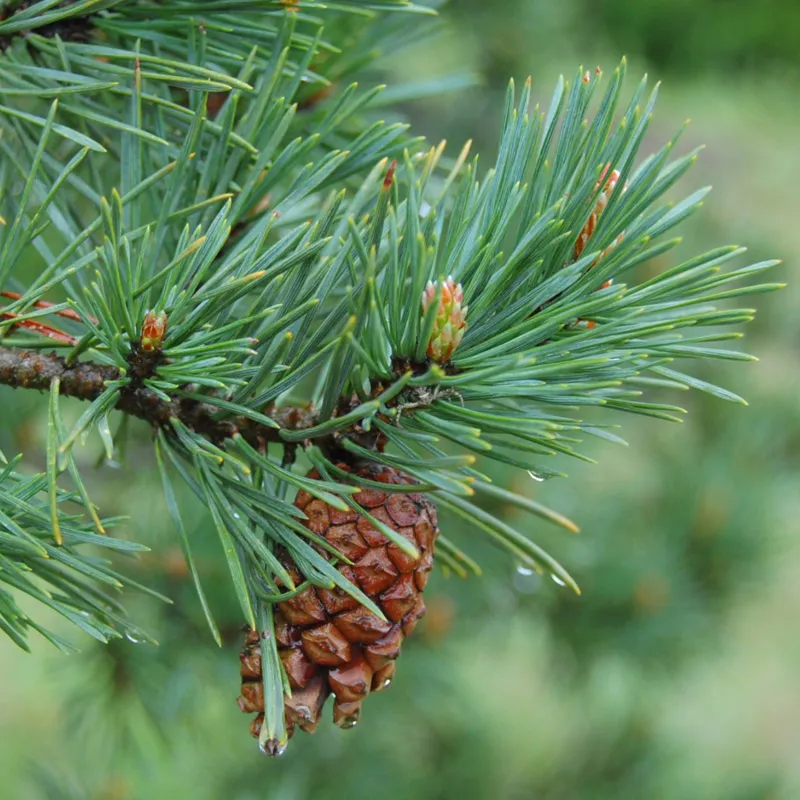
The Mugo pine bonsai, also known as the mountain pine, is very easy to cultivate; it naturally produces short needles and develops dense foliage, making it possible to create extraordinary bonsai. We have been growing them at our nursery for 30 years; it is a fascinating pine to work with and shape.
- Photos taken in September 2026
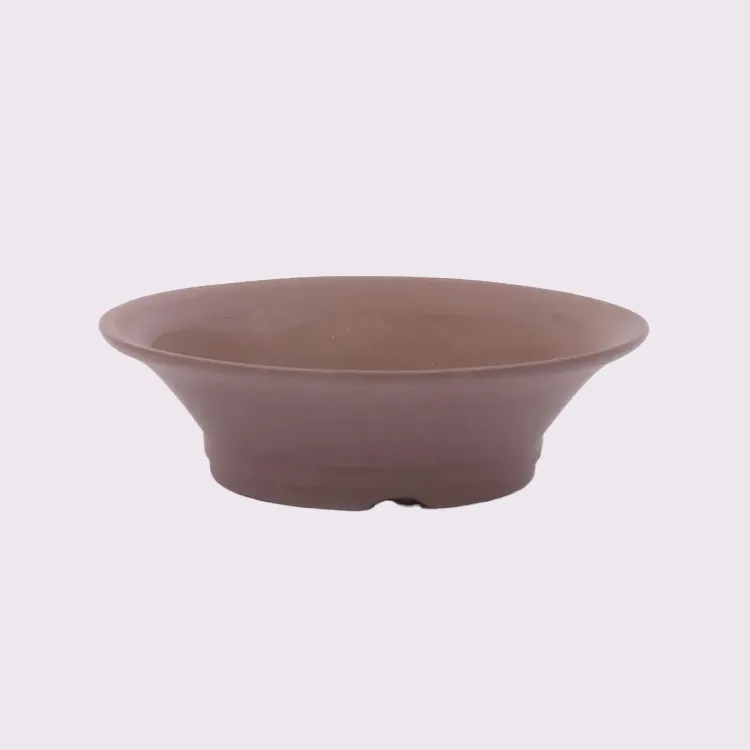
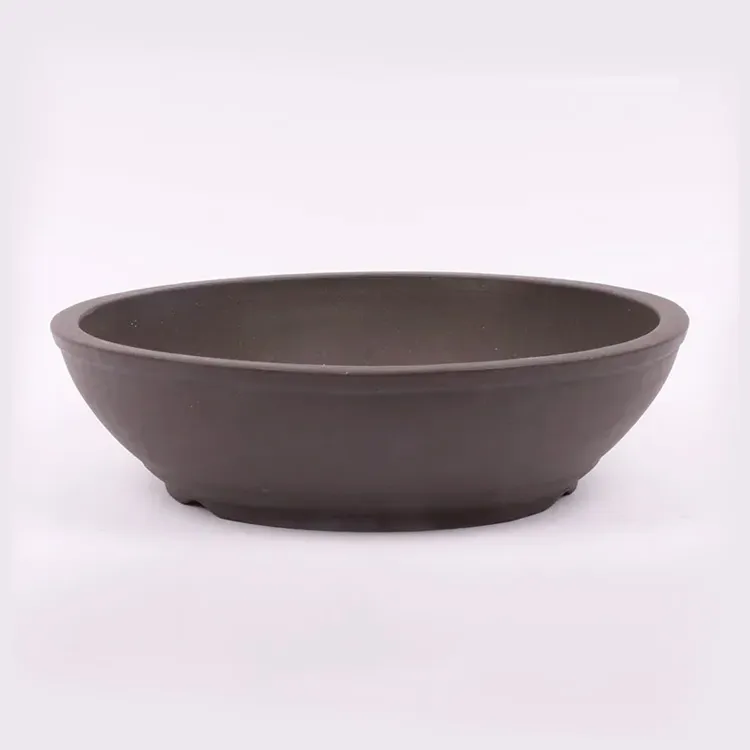
- Plastic container
Waist
70 cm
Location
Outside
Age
25 years
Foliage
Persistent
Height
Entre 40 et 80 cm
More information
Mugo pine in bonsai
This is a variety of pine that deserves more attention than the Asian varieties. It grows naturally in mountainous and rocky areas, but also thrives on the plains and in pots! It is slow-growing, but we have been growing it for a very long time at our nursery. It produces small, attractive green needles and easily regrows at the back to form attractive trays.
- Family: Pinaceae
- Origin: Central and southern Europe
- Deep green needles grouped in pairs
- Plant from seedling, grown in the garden and then in pots.
Related articles on blog
Share
Cultivation Advice